Environmental, social and governance
We are strengthening our environmental efforts through early climate-aligned practices, vessel vetting, responsible trading, and the development of our long-term low-carbon roadmap

Our approach to sustainability
Cathay Petroleum’s approach to sustainability is grounded in responsibility, transparency, and long-term stewardship. We focus on reducing environmental impact, supporting communities, and maintaining strong governance across everything we do.
Environmental
impact
We work to manage and reduce our footprint through responsible trading practices, vessel vetting, and the early steps of our low-carbon transition.
Stronger
communities
We support children, youth, and families through partnerships and humanitarian initiatives, while developing new programmes that uplift vulnerable groups.
Governance &
integrity
Our business is built on ethical conduct, due diligence, and a robust compliance culture that prioritises transparency and accountability.
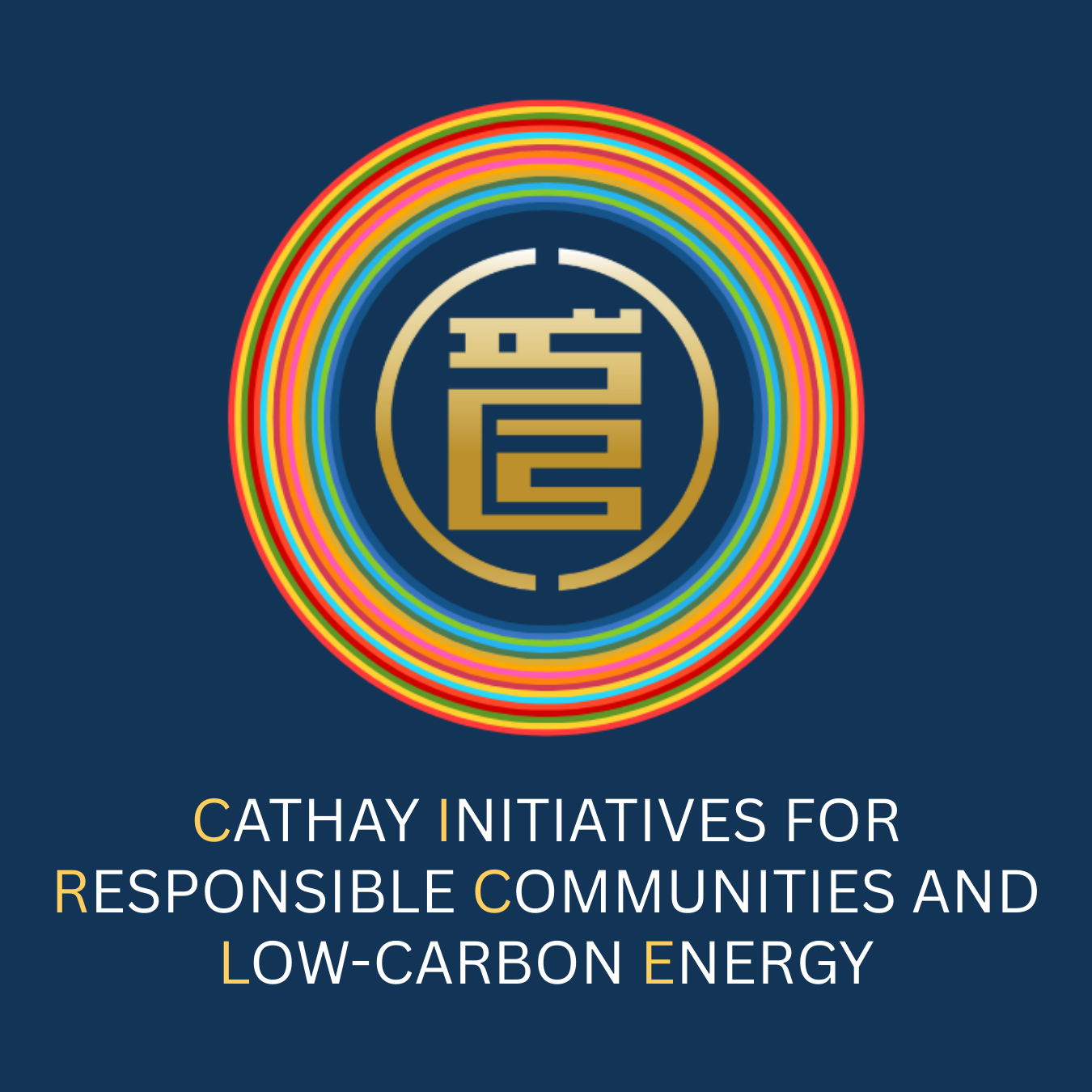
Introducing the CIRCLE Framework
Inspired by the UN SDGs, the Cathay CIRCLE programme is our company-wide framework that brings all environmental and community initiatives under one clear structure, aligned with global sustainability priorities.
It gives employees, partners, and stakeholders a unified way to engage with and track our ESG progress.

CIRCLE at a glance
Our environmental commitment
We focus on reducing environmental impact, supporting communities, and maintaining strong governance across everything we do.
Climate change
Cathay Petroleum is building the foundations of a long-term climate strategy grounded in transparency and responsible growth. As a trading company with no physical assets, our direct emissions are limited, but we recognise the broader climate impacts associated with the global energy value chain.
Our first step is to establish a clear Scope 1 and Scope 2 emissions baseline.
We already report our Scope 1 and Scope 2 emissions, covering fuel use and electricity consumption in our offices and operations. Making this disclosure explicit provides the foundation for future target-setting and aligns our approach with international expectations on climate transparency.
We also recognise that most emissions in our value chain sit beyond our direct control.
Over the coming phases of our ESG roadmap, we will review how we can better understand our wider footprint and assess relevant climate-related risks and opportunities. This includes exploring how Cathay can contribute to energy transition efforts through responsible trading practices and strategic partnerships.
These early steps mark the beginning of a longer-term pathway to support global climate goals and ensure our business grows in a low-carbon direction.

Biodiversity
Protecting natural environments is a growing priority within our sustainability programme. The transport and production of energy products can place pressure on land and marine ecosystems, and we are committed to building the internal awareness and partnerships needed to contribute responsibly in this area.
Our focus now is on strengthening understanding and laying the groundwork for future initiatives.
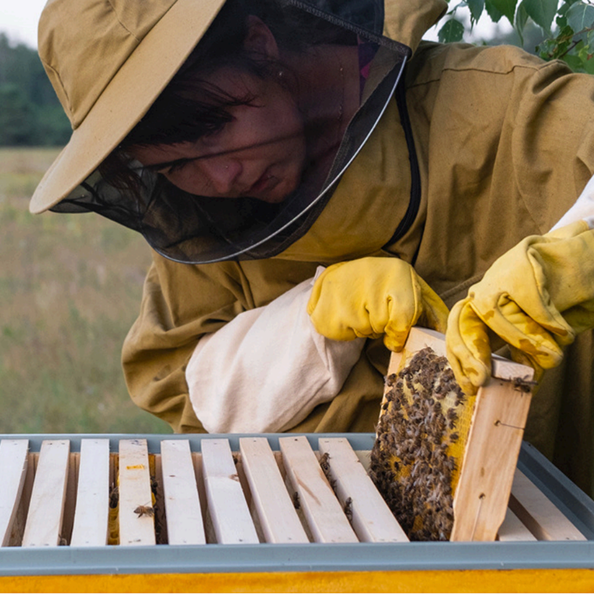
Through the CIRCLE programme, we are introducing biodiversity-related learning experiences that expose employees to conservation work. These activities help build internal capability and reinforce the importance of protecting fragile ecosystems connected to our industry.
We are also evaluating opportunities to support community-led biodiversity projects.
One example under review is the training of beekeepers in Myanmar — a programme that strengthens pollinator health, enhances local agricultural systems, and supports sustainable livelihoods. Partnerships like these reflect our belief that biodiversity protection requires practical, community-driven solutions.
As our ESG programme matures, these early actions will help shape a more defined approach to safeguarding biodiversity across the environments linked to our operations.
Natural resource scarcity
Responsible stewardship of natural resources is a core ambition under our environmental commitments. Through CIRCLE, we are beginning to support initiatives that contribute to the restoration and protection of natural spaces in the communities where we operate.
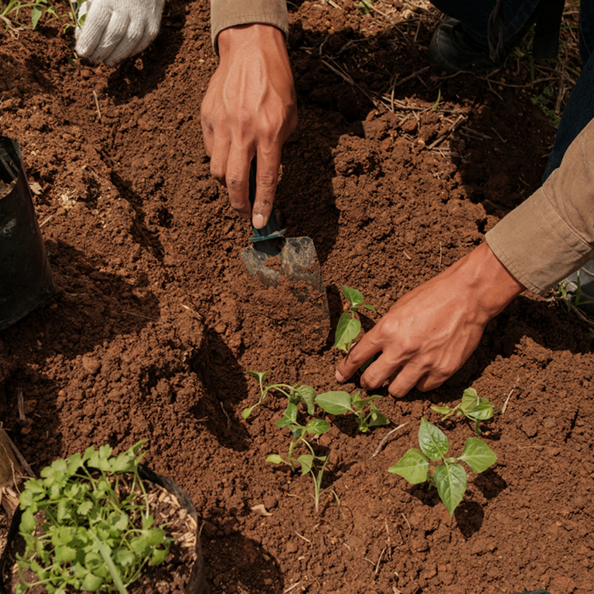
We are taking early steps through local reforestation efforts.
Cathay Petroleum will participate in Singapore’s Plant-A-Tree programme, contributing to the greening and restoration of parks, nature reserves, and urban environments. Expanding canopy cover and strengthening biodiversity are small but meaningful ways for us to support healthier and more resilient landscapes.
Looking ahead, we aim to deepen our involvement in natural resource protection.
This includes studying opportunities to partner with innovators and community organisations focused on sustainability, waste reduction, and ecosystem restoration — particularly in regions where we are most active.
These initiatives reflect our belief that responsible resource management begins with practical action and continues through long-term partnerships that deliver measurable environmental impact.
Pollution and waste
Reducing pollution and supporting responsible waste management are important parts of our environmental commitment. While we do not own or operate vessels, the movement of energy products across global supply chains can contribute to marine and operational waste if not managed responsibly.
Our focus today is on selecting responsible shipping and logistics partners.
We work with counterparties that comply with International Maritime Organization (IMO) standards — including MARPOL regulations on sulphur emissions, ballast water management, and waste discharge. By prioritising partners that uphold these requirements, we help reduce the risk of spills and limit our indirect contribution to marine pollution.
We are also exploring opportunities to support innovation in waste reduction.
Looking ahead, we aim to partner with organisations developing scalable recycling and waste-management solutions, particularly in Asia where we operate most actively. These partnerships can help us play a constructive role in reducing waste beyond our immediate footprint and contribute to more sustainable supply chains.
As our ESG roadmap progresses, pollution and waste reduction will form a clearer part of our long-term environmental strategy — supporting healthier ecosystems and aligning Cathay Petroleum with evolving international expectations for responsible logistics and trading practices.

Social & governance
We enhance our support for people at Cathay and in our communities through the CIRCLE framework, fostering a fair, inclusive workplace that contributes to social progress. Governance underpins our sustainability approach, upholding high standards of ethical conduct, transparency, and accountability.



Our success depends on the strength, capability, and wellbeing of our people.



Supporting the communities we operate in is an essential part of our social responsibility.



We are committed to building a workplace where everyone is treated fairly and where diversity is valued.
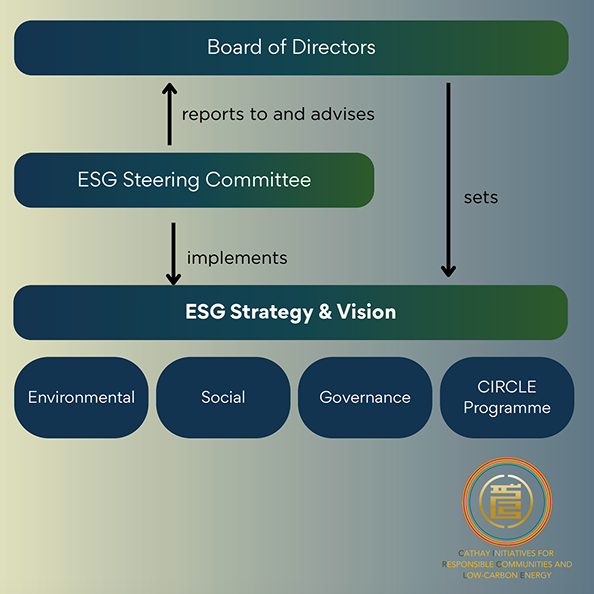

We uphold responsible conduct through strong board oversight and a dedicated ESG committee.



ESG considerations are integrated into daily decisions through frameworks aligned with global standards.

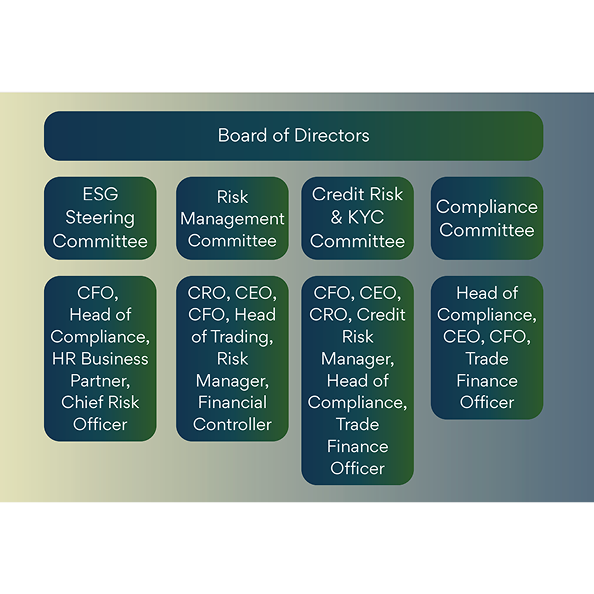

Robust compliance programmes and our Code of Conduct help ensure ethical behaviour across teams and partners.


Dedicated committees oversee key risks to strengthen accountability and safeguard our stakeholders.



Dedicated committees oversee key risks to strengthen accountability and safeguard our stakeholders.



Get in touch with us
As we continue to grow globally, we welcome partners, clients, and talent to be part of our journey.